
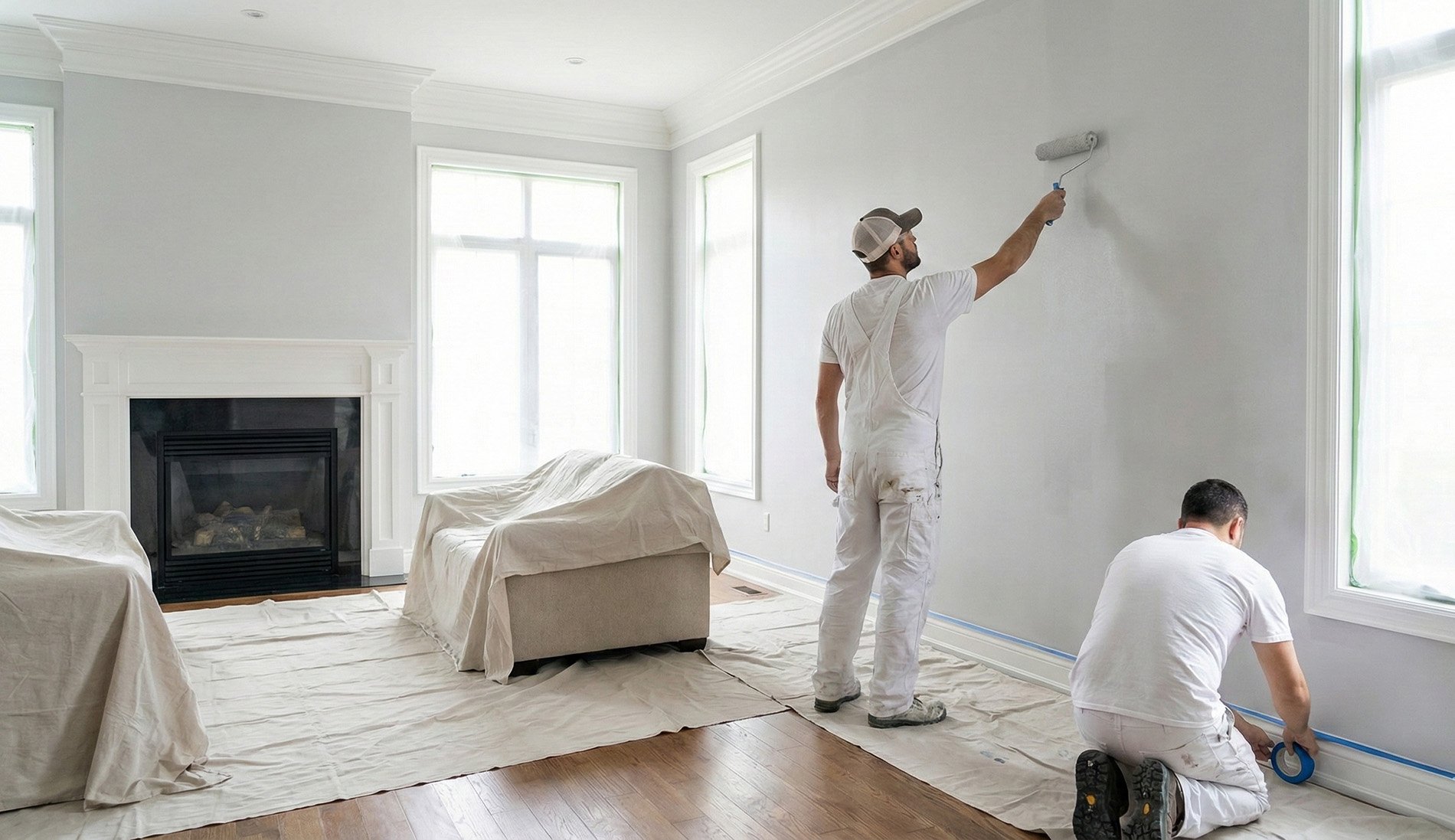
Interior Painting Services Across Kitchener, Waterloo, Cambridge & Guelph
Professional interior painting for homes and condos across Kitchener, Waterloo, Cambridge and Guelph. We handle walls, ceilings, trim, hallways, and detailed finishes with careful prep, clean work habits, and low-odour paints that are suitable for occupied homes. If you need drywall repair, popcorn ceiling removal, or high-ceiling work, we can scope it clearly and deliver a consistent, high-quality finish.
We plan and schedule interior projects to allow proper preparation, drying, and curing — ensuring a finish that holds up over time.
Our Interior Services
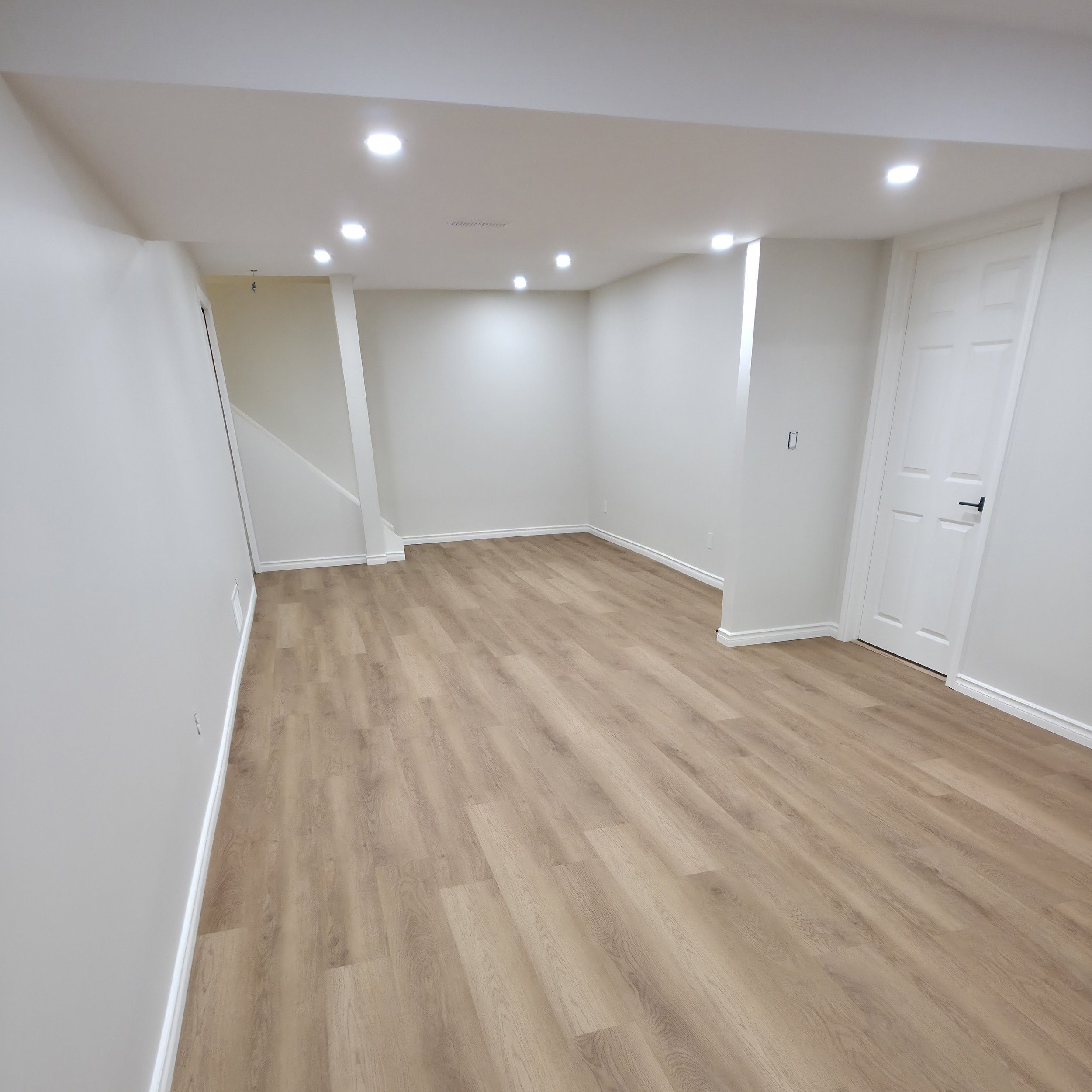
Clean, even finishes for living rooms, bedrooms, hallways, and ceilings.
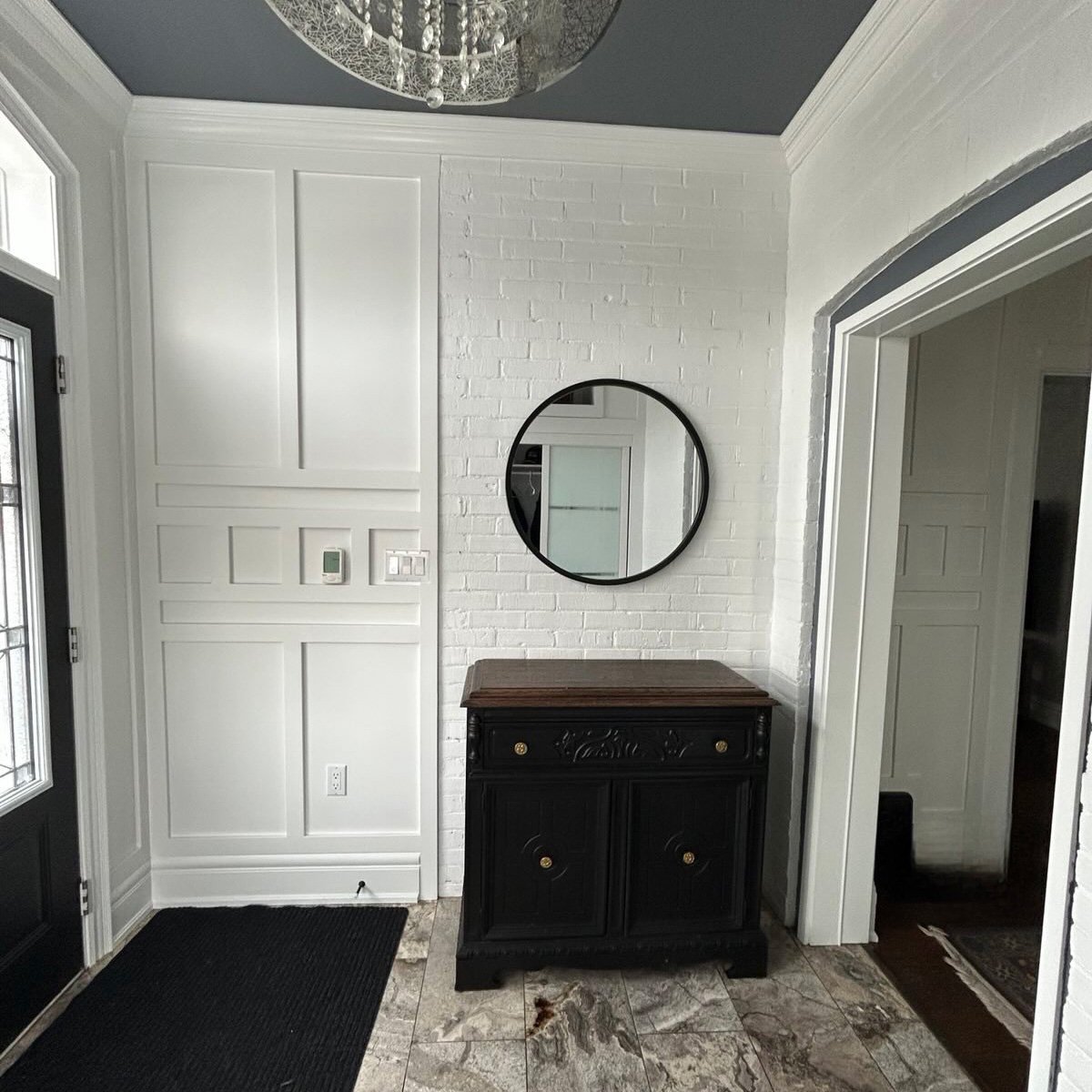
Durable enamel finishes for crisp lines and smooth trim.
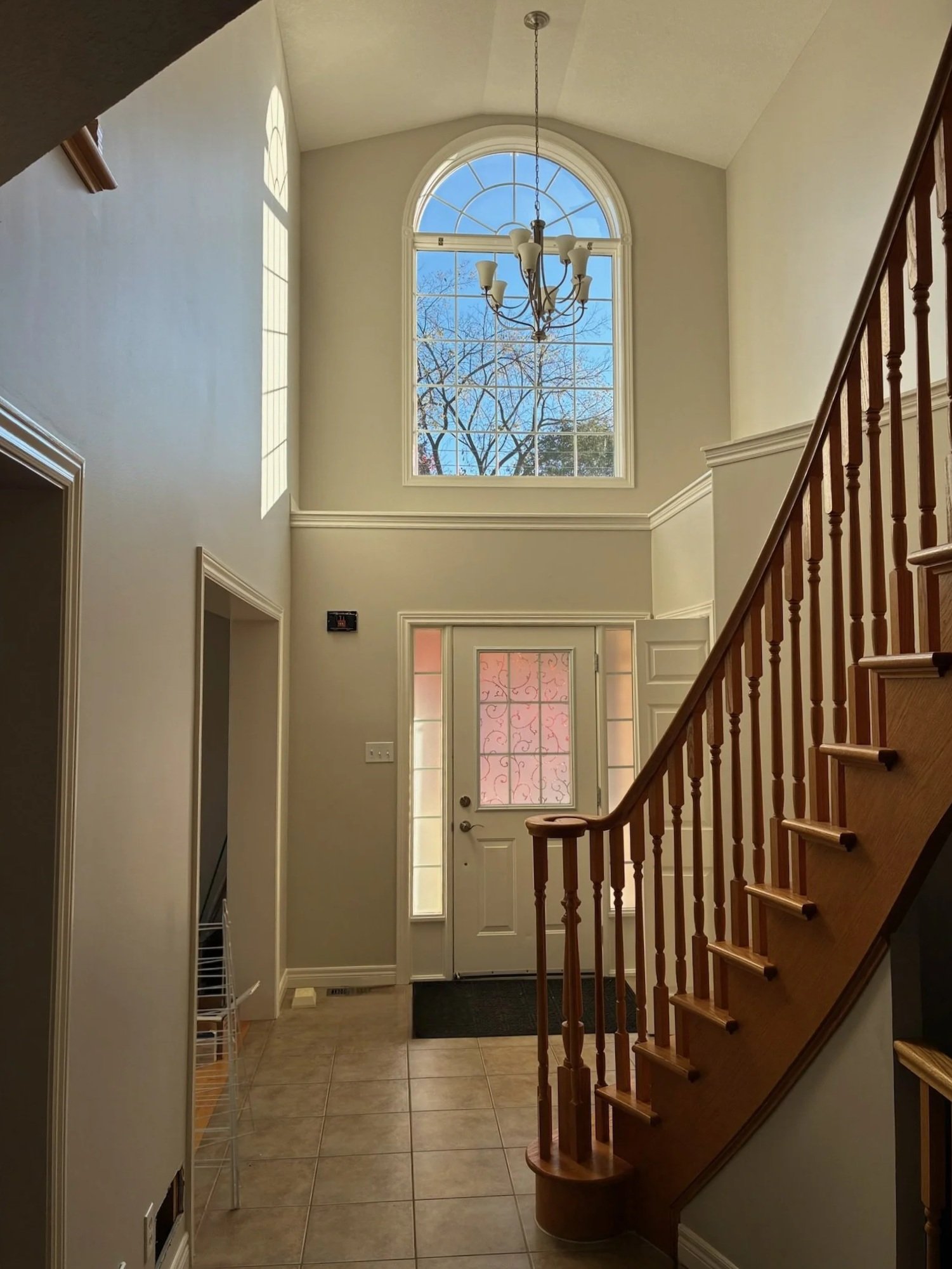
Safe, clean work on tall stairwells, vaulted rooms, and tricky angles.
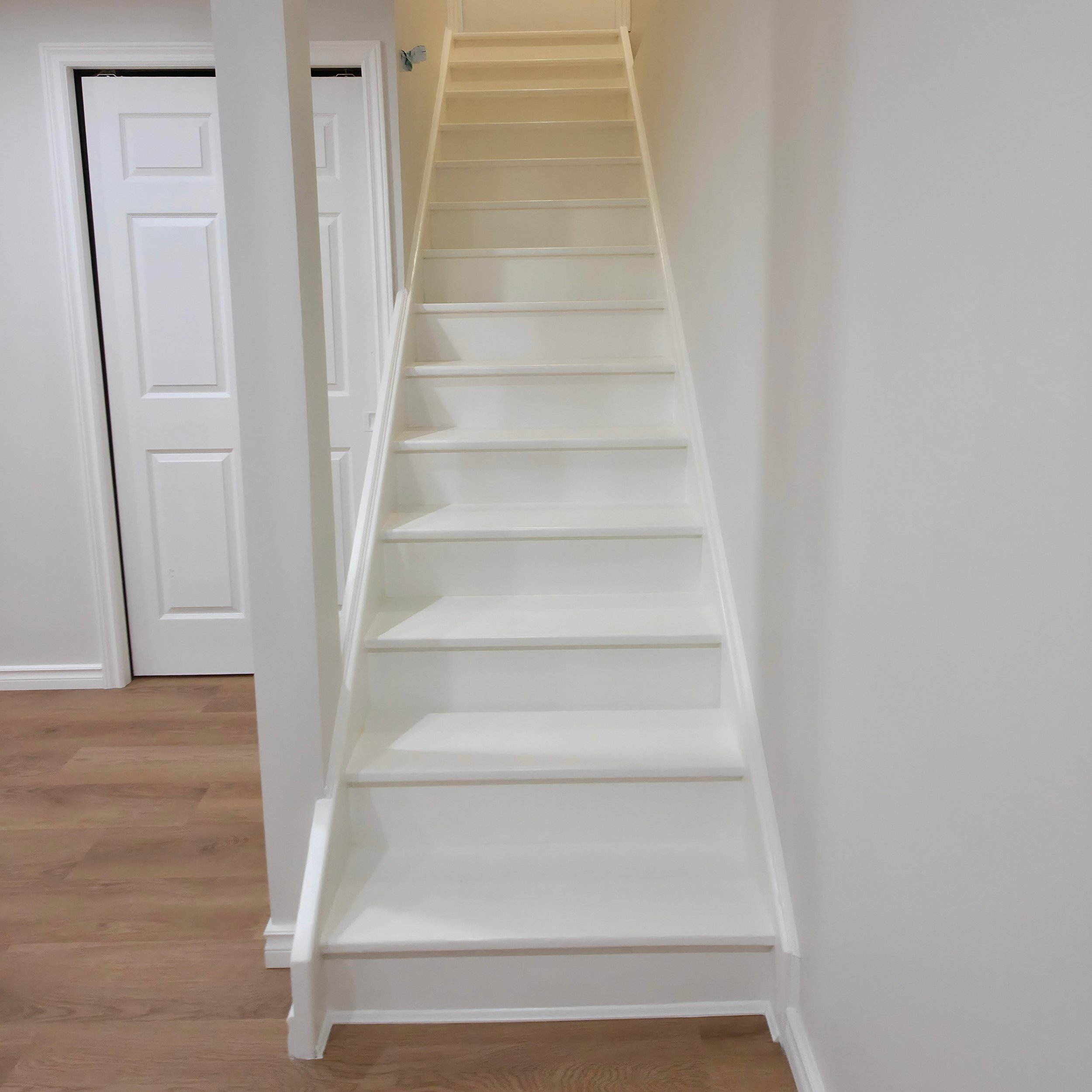
Clean, precise work on staircases, railings, spindles, and multi-level interior transitions.
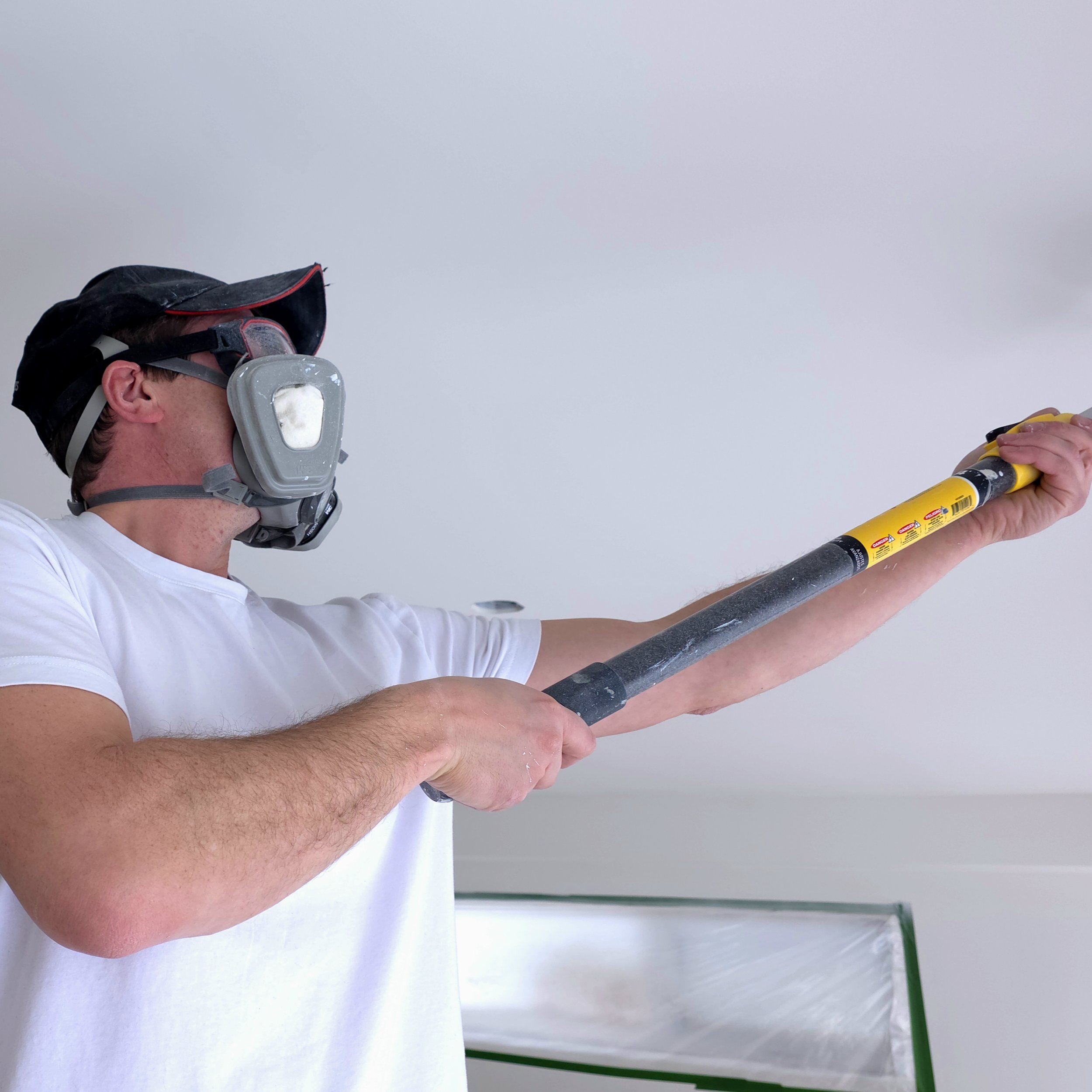
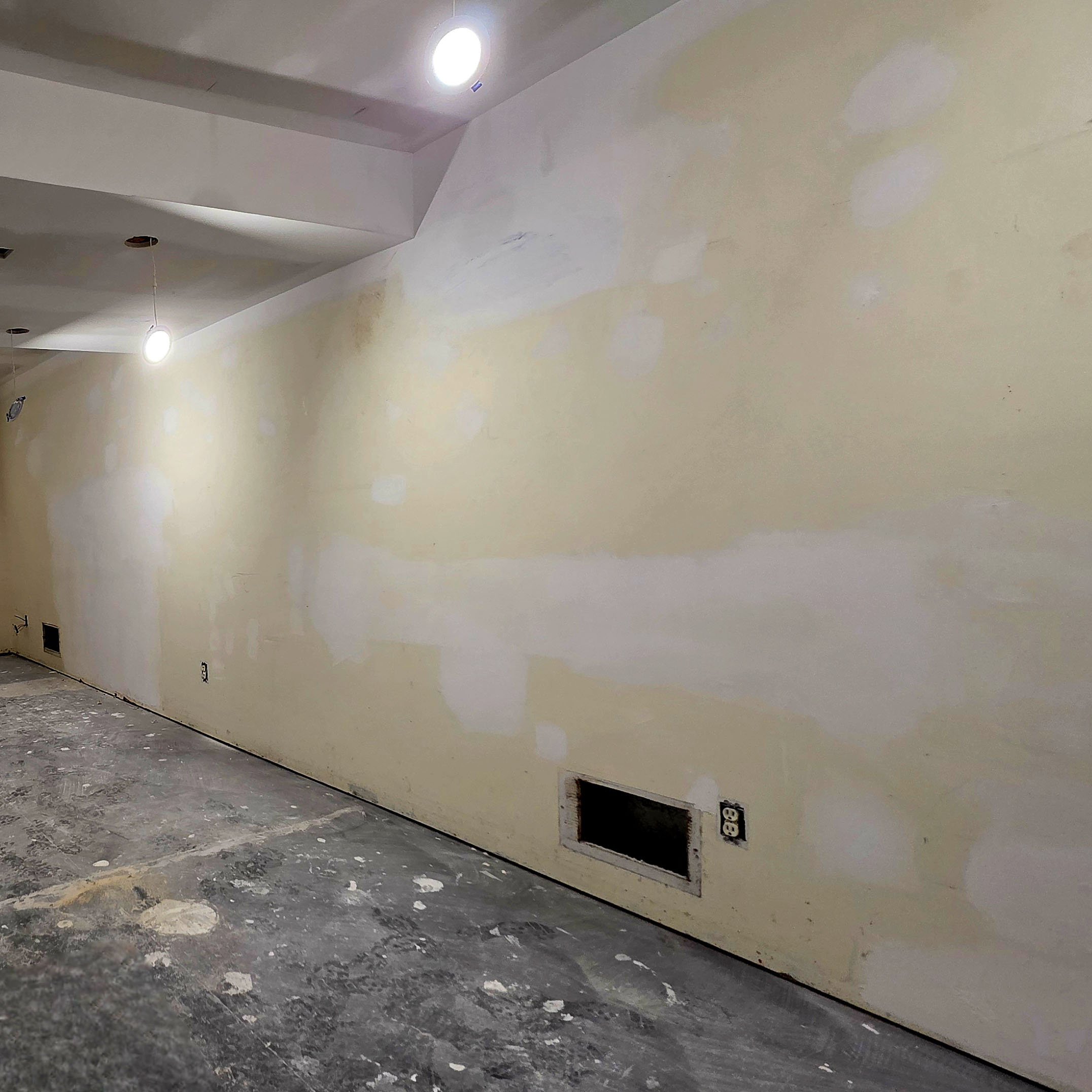
Scrape, skim, sand, and refinish to a modern flat ceiling.
Repairs for cracks, dents, water stains, and older plaster surfaces.
Interior Walls & Ceiling Painting
We provide professional interior painting for walls and ceilings in houses and condos throughout Cambridge, Kitchener, Waterloo, and Guelph. Our work focuses on proper surface preparation, clean cut lines, and consistent coverage so rooms look finished in both natural and artificial light. We use low-odour paint options suitable for occupied homes and plan projects to minimize disruption.
Living rooms, bedrooms, hallways, and stairwells
Ceiling repainting and stain-blocking primers
Neutral refreshes and full colour changes
Low-VOC options for lived-in spaces
Trim, Doors & Baseboards Painting
Trim and door painting is where preparation and technique matter most. We paint baseboards, casings, interior doors, and detailed trim using durable enamel finishes designed to resist scuffing and wear. Careful sanding, filling, and caulking ensures smooth surfaces and clean transitions that elevate the entire room.
Baseboards, window and door casings
Interior doors and frames
Minor caulking and surface smoothing
Durable finishes for high-touch areas
Drywall & Plaster Repair
Quality interior painting starts with solid surfaces. We repair damaged drywall and plaster before painting so finished walls look smooth rather than patched. This includes nail pops, settlement cracks, water stains (once the source is resolved), and repairs in older lath-and-plaster homes common in the Waterloo Region.
Nail pops, dents, and patch repairs
Crack repair and skim coating
Plaster repairs in older homes
Surface prep prior to painting
Popcorn Ceiling Removal
Popcorn ceilings date a home and often trap dust and shadows. We remove textured ceilings using controlled methods, then skim-coat, sand, and refinish the surface for a modern flat look. Once complete, ceilings can be painted with clean, low-sheen finishes that brighten rooms and photograph well.
Texture removal and containment
Skim coating for smooth ceilings
Sanding, priming, and repainting
Clean work practices for occupied homes
High & Vaulted Ceilings
High ceilings, vaulted rooms, and two-storey stairwells require the right setup and sequencing to avoid drips, roller marks, and uneven cut lines. We plan these areas carefully, using appropriate equipment and protection to achieve clean results from every angle.
Vaulted ceilings and angled walls
Stairwells and tall foyers
Careful cut lines at height
Safe setup and controlled cleanup
Staircase Painting & Refinishing
Staircase painting and refinishing requires careful preparation, controlled application, and safe access to multi-level interior areas. We paint and refinish stair stringers, risers, railings, spindles, and handrails using durable finishes designed for high-traffic use. Proper sanding, surface smoothing, and detailed coating work ensures clean lines, even finishes, and long-lasting results on one of the most visible features in the home.
Stair stringers, risers, and treads (painted surfaces only)
Handrails, spindles, and guardrails
Sanding, surface smoothing, and minor prep as required
Durable finishes suitable for high-traffic interior areas
What to Expect During an Interior Painting Project
High-end interior painting for homeowners who want a clean, modern finish without sales pressure or rushed crews. Luxury-level results at competitive prices, delivered through owner-led work from start to finish.
1. Owner-Led Consultation
On-site walkthrough and written interior painting quote.
2. Preparation, Protection and Dust Control
Preparation and protection of floors, furnishings, and work areas using dust-extraction sanding and careful containment.
3. Precision Paint Application
Premium interior coatings applied with proper dry time.
4. Finishing Coats and Detailing
Clean lines, consistent sheen, careful final coats.
5. Final Inspection and Clean-Up
Owner walkthrough, touch-ups completed, space cleaned.
6. Warranty and Aftercare
5-year workmanship guarantee and care guidance.
Interior Painting FAQs
Interior painting raises a lot of practical questions - what’s included, how disruptive it will be, and what separates a professional job from a rushed one.
This FAQ answers the most common interior painting questions we hear from homeowners in Cambridge, Kitchener, Waterloo, and Guelph, based on real projects and real expectations. The goal is to help you understand the process clearly before requesting an estimate.
What does Major Painting's interior painting service include?
Major Painting's interior painting service includes surface preparation, professional paint application, floor and furniture protection, daily cleanup on occupied projects, a final walkthrough with the homeowner, and a 5-Year Limited Workmanship Warranty on qualifying projects. Every project is scoped individually — no two homes present identical surfaces, ceiling heights, or preparation requirements, and Major Painting does not apply a fixed package regardless of actual conditions observed.
Interior painting services commonly include:
- Surface preparation — nail hole filling, crack repair, caulking, sanding, stain blocking, and spot priming as required by observed surface condition
- Paint application — two finish coats using professional-grade Dulux, Benjamin Moore, or Sherwin-Williams products on all surfaces specified in the written estimate
- Protection — floor coverings, plastic sheeting, furniture repositioning and covering, and masking of fixtures not being painted
- Cleanup — daily removal of debris on occupied projects, full cleanup on completion
- Final walkthrough — review of completed work with the homeowner before the project is closed
All inclusions, exclusions, and preparation methods are documented in the written estimate before any work begins. Major Painting does not assume scope beyond what is confirmed in writing.
Do you paint walls, ceilings, trim, and doors together or separately?
Major Painting paints walls, ceilings, trim, and doors together or separately depending on the scope confirmed in the written estimate — and sequencing them together on the same project almost always produces a better result. Ceilings are painted first and cut in against unpainted or masked walls, making ceiling application faster and producing cleaner junctions throughout. Walls follow, then trim and doors in semi-gloss or gloss enamel after wall coats are dry.
Painting surfaces together matters for three reasons:
- Cleaner junctions — ceiling-to-wall and wall-to-trim lines are cleaner when painted in the correct sequence by the same crew
- Colour coordination — sheen transitions between ceiling flat, wall eggshell or satin, and trim semi-gloss are consistent throughout
- Efficiency — protection, setup, and cleanup happen once rather than across separate visits
Standalone projects — walls only, ceilings only, trim only — are common and completed with careful masking at all surface junctions. All surfaces included and excluded are documented in the written estimate before work begins.
Can Major Painting paint high foyers and vaulted ceilings?
Major Painting paints high foyers, vaulted ceilings, cathedral ceilings, and two-storey stairwell walls using appropriate ladder systems and stable working platforms — not extension rollers from the floor that produce uneven coverage and ragged cut-in lines. Proper access equipment is positioned to give the painter controlled reach to the full ceiling surface including ridge lines, angled transitions, and ceiling-to-wall junctions.
High ceiling projects Major Painting completes regularly include:
- Two-storey foyer ceilings — 14 to 20+ foot ceiling heights common in newer construction throughout Waterloo Region
- Vaulted and cathedral ceilings — great rooms, primary bedrooms, and open-concept living areas with angled or peaked ceiling planes
- Stairwell walls — multi-floor wall surfaces requiring platform setup across two or more floor levels
- Loft and open-concept ceilings — varying ceiling heights and architectural transitions in contemporary home designs
Two finish coats are applied from properly positioned platforms — the same application standard as every other surface Major Painting paints. High ceiling projects add equipment setup time and access complexity confirmed in the written estimate following the in-home assessment.
Can Major Painting paint occupied homes?
Yes — Major Painting regularly completes interior painting projects in occupied homes. Painting an occupied home requires additional coordination, furniture protection, and daily access planning compared to a vacant home, but is a standard project type managed as part of normal project delivery.
Occupied home considerations Major Painting addresses on every project:
- Furniture protection — repositioning and covering furniture with drop cloths and plastic sheeting before painting begins each day
- Room sequencing — planning which rooms are painted in which order to maintain liveable space throughout
- Daily cleanup — work areas cleaned and materials secured at the end of every workday
- Pet and family coordination — access requirements and work hours confirmed in the written estimate
- Ventilation — adequate ventilation maintained throughout to manage paint odour in occupied living spaces
Occupied homes typically require longer project timelines than vacant homes. Major Painting does not quote an occupied home on a vacant home schedule — the timeline difference is accounted for in the written estimate before work is scheduled.
Do I need to move furniture before interior painting begins?
Homeowners do not need to empty rooms before Major Painting arrives — furniture can typically remain in place and is repositioned and protected as part of the painting scope. What homeowners should remove before the crew arrives are small items, wall decor, valuables, and fragile objects.
- Large furniture — sofas, beds, dressers, and dining tables are repositioned away from walls and covered with drop cloths or plastic sheeting
- Centre grouping — in rooms where full wall access is required, furniture is consolidated to the centre of the room and covered as a group
- Small items — wall art, picture frames, mirrors, and shelf items are the homeowner's responsibility to remove before painting begins
- Valuables and fragiles — jewellery, electronics, and fragile items not being moved by Major Painting should be secured or removed by the homeowner
Major Painting does not assume furniture removal or off-site storage unless specifically included in the written scope. All furniture handling responsibilities are outlined in the written estimate before interior painting begins.
How does Major Painting protect floors and furniture during interior painting?
Major Painting protects floors and furniture during interior painting using drop cloths, plastic sheeting, floor protection materials, and painter's tape applied before any painting begins and removed on project completion. Protection methods are selected based on floor type, furniture materials, and the specific surfaces being painted.
- Hardwood and hard surface floors — canvas drop cloths or rosin paper covering the full work area
- Carpeted areas — plastic sheeting or specialized carpet film where paint or debris could reach carpet surfaces
- Furniture — plastic sheeting or drop cloths covering all furniture remaining in work areas
- Fixtures and hardware — painter's tape and masking film on light fixtures, ceiling fans, outlet covers, switch plates, and hardware not being painted
- Trim and adjacent surfaces — masking at all surface junctions where two finishes meet
All protection is in place before the first coat is applied and removed as part of final cleanup. Specific protection responsibilities and any homeowner preparation requirements are confirmed in the written estimate before work begins.
What surface preparation is included in an interior painting project?
Surface preparation included in a Major Painting interior painting project is determined by the actual condition of each surface observed during the in-home assessment — not applied uniformly regardless of need. Standard preparation addressing nail holes, minor cracks, and surface cleaning is included in the painting scope. Requirements beyond standard are identified during the estimate, priced separately, and documented in writing before work begins.
Preparation commonly included on Major Painting interior projects:
- Nail hole and fastener filling — filling nail holes, screw pops, and minor surface voids with appropriate filler
- Crack repair — hairline and settlement crack repair on drywall and plaster surfaces
- Caulking — gaps at trim joints, baseboard junctions, and wall-ceiling transitions where specified
- Sanding — smoothing patched areas, rough surfaces, and previous repairs to a paint-ready condition
- Spot priming — priming repaired areas, water stains, and tannin-bleeding surfaces before finish coats
- Surface cleaning — cleaning surfaces where grease, dust, or contamination would affect paint adhesion
Extensive preparation — significant plaster restoration, full-wall skim coating, or water damage repair — is assessed and priced separately. Major Painting does not compress preparation to fit a lower price. The preparation standard is set by what the finish coat requires to look right, not by what is minimally adequate for paint-readiness.
How many coats of paint does a professional interior painting job require?
A professional interior painting job by Major Painting includes two finish coats on all surfaces specified in the written estimate — applied over appropriate primer where required by surface condition, colour change, or product compatibility. Two coats are the minimum standard for a consistent, durable painted finish on interior walls, ceilings, and trim.
- Standard repaint in good condition — primer spot-applied to repaired areas, two finish coats throughout
- Dramatic colour change — full prime coat applied before two finish coats to prevent bleed-through and flashing
- New drywall or bare surfaces — full prime coat required before finish coats to seal the surface and prevent uneven absorption
- Stain blocking — oil-based or shellac stain blocker applied to water stains or tannin-bleeding surfaces before finish coats
- Trim and doors — two coats of semi-gloss or gloss enamel applied by brush over primed and sanded surfaces
Major Painting does not apply a single finish coat and present it as a completed project. One coat on a repaint produces uneven coverage, visible roller texture variation, and colour inconsistency under directional lighting — conditions that become apparent within days of completion. Coat count and primer requirements are confirmed in the written estimate before work begins.
Does Major Painting use primer on every interior painting project?
Major Painting uses primer on every interior painting project where surface condition, colour change, or product compatibility requires it — which is most projects. Primer is never applied uniformly to every surface regardless of need, but it is never skipped where the finish coat result depends on it. The decision is made based on observed surface condition during the in-home assessment and documented in the written estimate.
Situations where Major Painting applies primer before finish coats:
- New drywall or bare plaster — unpainted surfaces require a full prime coat to seal porosity and prevent uneven finish coat absorption
- Repaired areas — all patched, filled, and skimmed areas receive spot primer before finish coats regardless of project scope
- Water and tannin stains — stain-blocking primer applied to water-stained ceilings and tannin-bleeding wood surfaces; oil-based blockers for heavy staining, water-based for lighter staining where the source is confirmed resolved
- Dramatic colour changes — full prime coat applied when existing colour is dark enough to bleed through standard finish coat coverage
- Bare or stripped wood trim — wood primer applied before enamel finish coats on all bare trim surfaces
Skipping primer where it is required produces finish coat failures — flashing on repaired areas, bleed-through on stained surfaces, and adhesion failures on bare substrates. Major Painting does not skip primer to reduce material cost or compress project timelines.
What paint brands does Major Painting use for interior painting?
Major Painting uses professional-grade interior paints from Dulux, Benjamin Moore, and Sherwin-Williams on residential interior painting projects. Product selection within these brands is based on surface type, room function, sheen requirements, and performance needs — not on lowest available cost within a brand's product range.
- Surface type — drywall, plaster, previously painted surfaces, and trim each require appropriate primer and finish coat products
- Room function — bedrooms and living areas receive products selected for coverage and colour accuracy; kitchens and bathrooms receive products with appropriate moisture resistance and washability
- Sheen selection — flat for ceilings, eggshell or satin for walls, semi-gloss or gloss for trim and doors
- Colour accuracy — professional-grade products provide consistent colour matching and batch consistency across large surface areas
Major Painting does not use contractor-grade economy products on residential interior projects. The difference between professional-grade and economy-grade interior paint becomes visible within the first year — in coverage, sheen consistency under directional lighting, and washability under normal household use. Specific products, sheens, and brands are documented in the written estimate, and substitutions are not made without homeowner notification and written confirmation.
What is the difference between flat, eggshell, satin, and semi-gloss interior paint?
The difference between flat, eggshell, satin, and semi-gloss interior paint is sheen level — how much light the dried surface reflects — which directly affects how surface imperfections appear and how washable the finish is. Major Painting selects paint sheens based on the specific surface, room function, and lighting conditions of each home, not on a one-sheen-fits-all formula.
- Flat — no light reflection; hides surface imperfections, roller texture, and minor substrate irregularities better than any other sheen. Standard for ceilings. Not washable — marks cannot be wiped clean without damaging the finish.
- Eggshell — very low sheen; the standard for interior walls in most living spaces. Hides minor imperfections while providing light washability. The most common wall finish in residential homes.
- Satin — moderate sheen; more washable than eggshell and more durable in high-traffic and high-humidity areas. Amplifies surface imperfections more than eggshell under directional lighting.
- Semi-gloss — higher sheen; hard, durable, and fully washable. Standard for trim, baseboards, doors, and door frames. Also used on kitchen and bathroom walls where maximum moisture resistance is required.
Gloss finishes — higher than semi-gloss — are occasionally specified for specialty applications but are not standard on residential interior surfaces.
What paint finish should be used in bedrooms, living rooms, kitchens, and bathrooms?
The right paint finish for each room depends on how it is used, how much natural or artificial light it receives, and what the surface condition of the walls will tolerate. Major Painting confirms finish selection for every room in the written estimate based on observed surface condition and homeowner preference — not on a fixed formula applied regardless of actual conditions.
- Bedrooms — eggshell on walls; flat on ceilings. Lower humidity and contact than other rooms makes eggshell the right balance of washability and hide.
- Living and dining rooms — eggshell on walls; flat on ceilings. Open-plan spaces with pot lights and large windows benefit from eggshell's ability to hide minor surface variation under directional lighting better than satin.
- Kitchens — satin on walls; low-sheen eggshell rated for high-humidity on ceilings. High cooking activity requires a finish that can be wiped clean without surface damage.
- Bathrooms — satin on walls; low-sheen eggshell rated for high-humidity on ceilings. Flat and standard eggshell deteriorate in high-humidity bathroom environments.
- Trim, baseboards, and doors — semi-gloss throughout. High-contact surfaces require a harder, more washable finish than any wall paint provides.
- Hallways and stairs — satin on walls. Daily contact and scuffing in high-traffic areas benefit from satin's washability over eggshell.
How do I choose a paint colour for my home interior?
Choosing a paint colour for your home interior starts with understanding how lighting, room size, and existing finishes affect how any colour reads on the wall — because the colour on a paint chip and the colour on a painted wall are rarely identical. Major Painting applies agreed colour specifications confirmed in the written estimate before application begins, but colour selection itself is a decision Major Painting supports rather than makes for the homeowner.
Practical guidance Major Painting shares on colour selection:
- Test before committing — paint a sample area of at least 12 by 12 inches on the actual wall and observe it at different times of day under both natural and artificial light before approving
- Understand undertones — whites and neutrals contain undertones (pink, yellow, green, blue) that become visible on large wall areas and shift under different light sources
- Consider the whole room — flooring, trim colour, furniture, and natural light all affect how a wall colour reads; a colour that works in the paint store may fight with fixed elements in the room
- Lighter reads lighter — colours always read lighter on a large wall area than on a small chip; go one shade darker than the chip you think you want if uncertain
- Neutrals photograph best — for homeowners preparing to list their home, warm neutrals and soft whites photograph well, present cleanly in showings, and avoid narrowing buyer appeal
All colour selections are confirmed in the written estimate before Major Painting applies any finish coat. Colour changes after application has begun are treated as scope changes and handled accordingly.
What is the difference between hiring an owner-operated painter and a large painting company?
The difference between hiring an owner-operated painter like Major Painting and hiring a large painting company comes down to who is accountable for what happens on your project — and whether the person who sold you the job is the same person responsible for delivering it. Major Painting is owner-operated, meaning Mario and Jordan estimate every project, supervise every project, and are accountable for every result under one written estimate and one warranty.
- Estimate accuracy — owner-operators assess their own projects and set their own standards; large companies often use sales staff whose estimates are executed by crews the estimator has never worked with
- Preparation standards — owner-operators set preparation standards based on the finish result they are personally accountable for; subcontracted crews set standards based on the time they are allocated
- Warranty accountability — an owner-operator's warranty is backed by the person who painted your home; a large company's warranty is backed by a business entity that may use different crews on every project
- Communication — owner-operators communicate directly; large companies route homeowner communication through coordinators and project managers between estimate and completion
Major Painting is not the right fit for every project — large companies with significant crews can mobilise faster on very large commercial or multi-unit projects. For residential homeowners in Waterloo Region and Guelph who want the same standard on the last day of a project as the first, owner-operated is the accountable choice.
What warranty covers Major Painting's interior painting work?
Major Painting's interior painting work is covered by a 5-Year Limited Workmanship Warranty on qualifying projects. The warranty covers workmanship-related defects — peeling, flaking, or adhesion failure caused by preparation or application errors by Major Painting — and does not cover normal wear, moisture intrusion, structural movement, impact damage, or manufacturer product performance.
- Coverage — workmanship defects resulting from Major Painting's preparation or application practices
- Exclusions — damage from moisture intrusion, settlement cracking, cleaning methods, normal household wear, or factors outside Major Painting's control
- Duration — 5 years from project completion on qualifying interior painting projects
- Transferability — applies to the original contracting homeowner; not transferable to subsequent owners
- Claim procedure — warranty claims are subject to in-person inspection and verification; full claim procedures are provided in writing with every estimate
The 5-Year Limited Workmanship Warranty does not guarantee that interior paint will maintain its original appearance for five years — paint ages and surfaces experience normal household wear. The warranty addresses how the work was prepared and applied, not how paint ages under normal conditions. Full warranty terms, conditions, limitations, and exclusions are provided in writing with every Major Painting estimate.
How do I get a free interior painting estimate from Major Painting?
Getting a free interior painting estimate from Major Painting starts with a phone call to (226) 887-0840 to schedule a no-obligation in-home assessment. Major Painting provides free written estimates for interior painting projects throughout Waterloo Region and Guelph — no pricing is provided by phone or from photos, and no commitment is required to receive an estimate.
The Major Painting estimate process includes:
- In-home assessment — the owner visits the home to review all rooms, surfaces, ceiling heights, and existing conditions relevant to the project
- Scope confirmation — discussion of which surfaces are included, colour preferences, sheen selections, and finish expectations
- Preparation assessment — identification of surface repair requirements, stain blocking needs, and primer requirements based on observed conditions
- Written estimate delivery — a detailed written estimate documenting scope, preparation included, materials specified, pricing, timeline, warranty coverage, and exclusions
The written estimate is the governing document for every Major Painting interior painting project — nothing proceeds beyond what is confirmed in writing. Call Major Painting at (226) 887-0840 to book a free interior painting estimate.
All pricing ranges, timelines, and scope details are based on typical residential projects and are provided as general guidance only. All project-specific pricing, preparation inclusions, and timelines are confirmed in writing prior to commencement and governed by your written estimate.